
The Grass That Cheated Its Way West
Cheatgrass Isn't Leaving, So Put It to Work
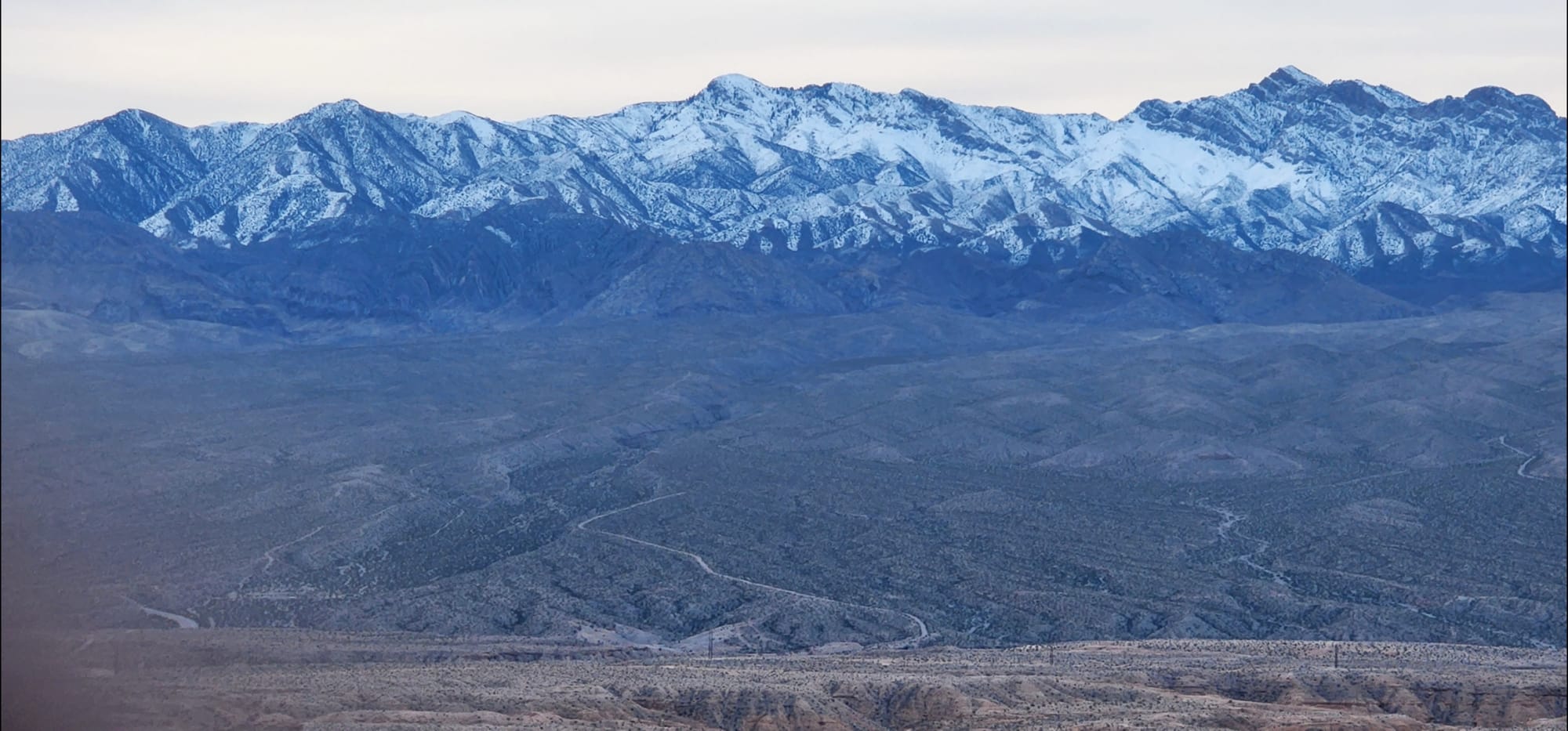
It came in by accident and it's here to stay. The West might as well find something to eat it.
Cheatgrass didn't ride into the West on a plan. It slipped in a little at a time, tucked away in tainted grain seed, packing straw, and ship's ballast. There's a story behind the name, too. Folks say crooked merchants cut their wheat seed with cheatgrass, and a man didn't know he'd been cheated till the crop came up.
Once it made landfall, it spread. It rode the rails across the West with those barbed seeds clinging to a man's britches and in his chuck. The first patches took root right there along the tracks and the edges of fields. It traveled in the hay and onto the farm. By 1950, it had taken over across the Intermountain West.
"Cheat grass has also become a staple for wildlife. It greens up during birthing season which allows better milk production for (animals) and feed for (baby birds) and their parents. Upland birds craw studies during the summer and fall show a large percentage of cheat grass seeds in their diet as well. Rabbits and rodents rely on it to help raise their young too. Nobody seems to take any of that into account." - Tye Eastman
Cheatgrass isn't going anywhere, and nobody's spraying it out of the West. So why not put something on it that eats the seeds besides the cows, tortoises, and other critters that eat the fodder too.
My friend Brand Thornton has been saying we ought to release more chukars out here. It's hard to argue with the diet.
One study found cheatgrass made up nearly half the dry weight of what chukars were carrying in their crops. They'll never wipe it out, but a bird that lives on the stuff just makes sense.
Cheatgrass roots can run deep, but the main roots are shallow and the plant sends out extensive lateral roots. That's right where a chukar works. They scratch the ground with their feet, and my friend has watched them not only eating the seeds but pulling cheatgrass up by the root. After the fall and winter rains, when the seed sprouts and the roots are small and tender, a bird can scratch up the whole seedling.
I figure that's the time of year it matters. Dry country, scarce water, and a root that might hold a little moisture and nutrition. Whether they're after the root stem or just the tender shoots, a bird that scratches that hard is working the plant from both ends. And a plant that reproduces only by seed doesn't come back once it's pulled.
"There is a great biological out there that does a great job on cheatgrass. When I bought my place it had almost all been farmed and was reseeded to tame grass with that CRP program back in the 80's. Cheatgrass flourished unchecked until I bought it in the 90's. I grazed it early, cut hay early so controlled the seed production in a way. Need grasses to cover the ground and controlling it only works if you have good ground cover of other healthy grasses. Cattle do a great job of early grazing control. Chemical sprays are not effective and hinder the health of other needed plants not to mention how unhealthy it is to handle those sprays..." - Mia DeLode
Cheatgrass is part of the West now, like the tumbleweed. It came in by accident, and it won't be sprayed or replanted out. Folks who work the land, like Cliven Bundy already know that grazing and keeping good cover on the ground is what holds it in check. Wildlife has built its seasons around it, as Brand points out. A chukar scratching up seedlings and eating seed after the fall rains might be one more tool in that kit. We don't have to win a war against it. We just have to manage it, and let the cattle and the birds and bugs, rabbits and rats do what they've always done.
— Vincent Easley II
https://reallibertymedia.com/author/https-reallibertymedia-com-author-vine