
The Grass That Stayed
Why Western Conservation Means Working With Cheatgrass
Cheatgrass isn't native. Neither is the tumbleweed. But both belong to the West now, and cheatgrass is as about as normal now as anything rolling across the western landscape.
The difference is that the tumbleweed never fed anything. Cheatgrass does.
History tells us what happens when an invader takes hold. Native species get pushed out. Once that cat is out of the bag, there is no putting it back.
Nobody is getting rid of cheatgrass. The only thing left is management, and that means grazing it.
You'll hear that it has no nutritional value, or that it's no good once it dies back. Observation says otherwise.
Cattle eat it. Ranchers have watched them do it for generations. Grazing cheatgrass cuts seed production and can reduce competition with 15% protein content.
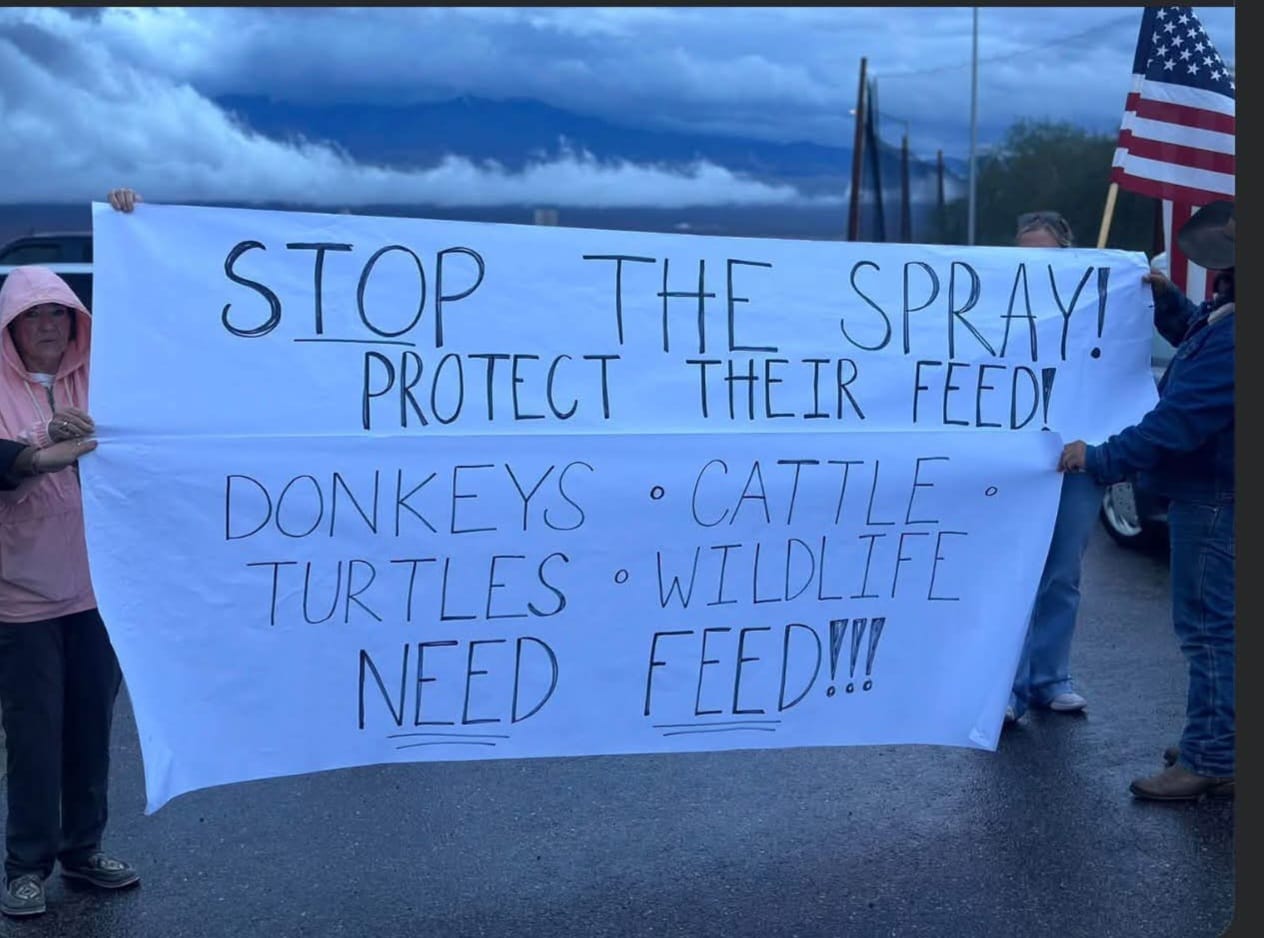
So what do we do? Spraying and killing forage won't change the outcome. The BLM can spray, reseed with natives, and spray again, and at best it buys time. The land isn't going back to what it was.
Conservation doesn't mean freezing a landscape in a state it will never see again. It means working with what's there. Grazing is the tool, and it's a tool we already have.
— Vincent Easley II https://reallibertymedia.com/author/https-reallibertymedia-com-author-vine