
The Spark at Ruby Ridge: August 21, 1992, and the Cost of Federal Overreach
On August 21, 1992, a remote mountaintop in northern Idaho became the stage for one of the most tragic and defining standoffs in modern American history.
What began as a surveillance operation on the isolated property of Randy Weaver escalated within moments into a fatal encounter that left 14-year-old Sammy Weaver dead.
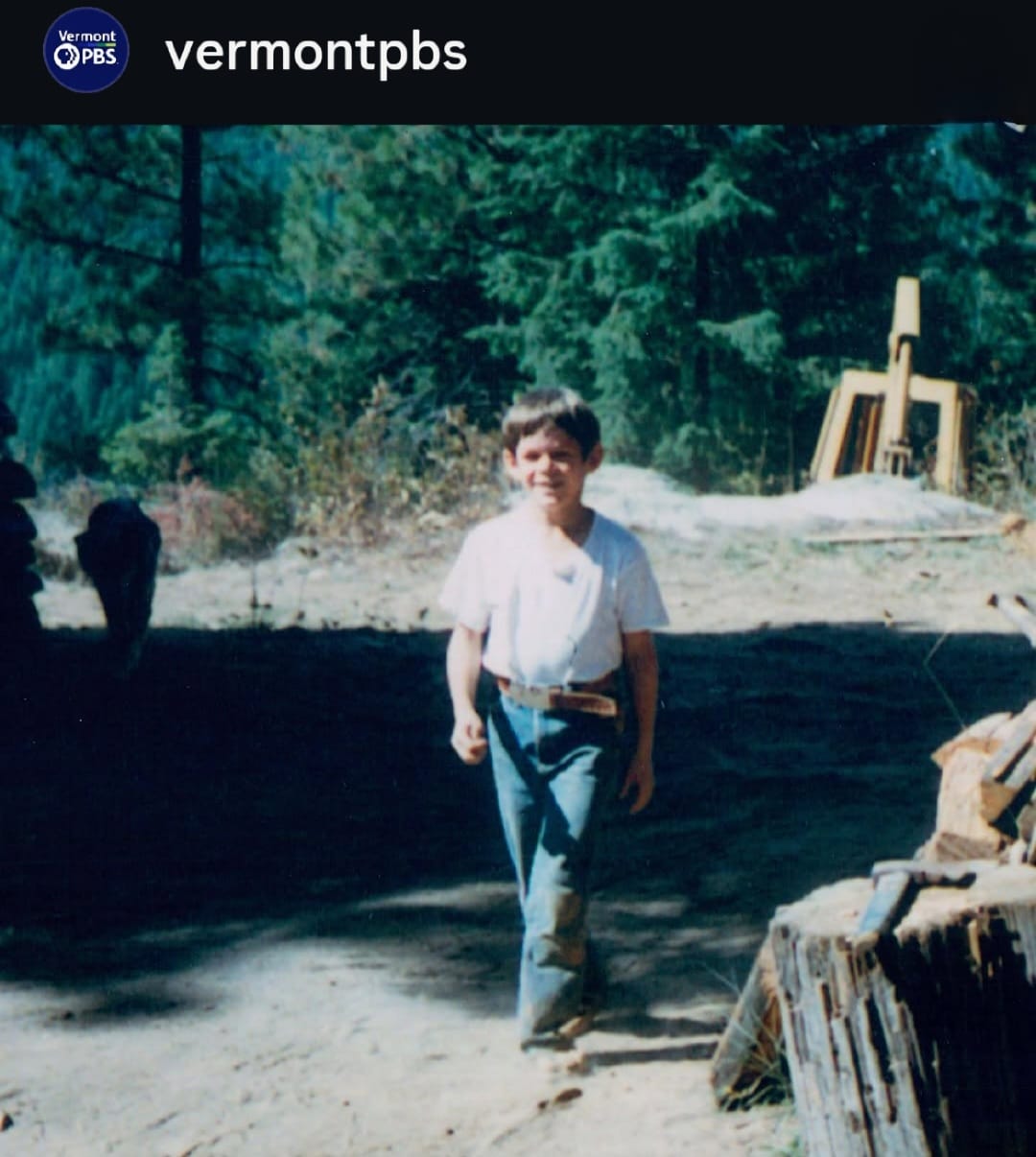
The events of that August day did not occur in a vacuum. Randy Weaver, a Green Beret veteran who had moved his family to the Idaho wilderness to live off-grid, became the target of federal law enforcement following an entrapment-style undercover operation involving modified shotguns.
When Weaver failed to appear in court—partly due to conflicting court date notices sent by the government—a covert surveillance team was deployed to the property. On August 21, the situation turned lethal.
A team of U.S. Marshals encountered Sammy Weaver, family friend Kevin Harris, and the family dog in the woods near the cabin.
Accounts of who fired first remain heavily disputed, but when the firefight ended, the young boy had been shot in the back while retreating toward his home.
The initial bloodshed sparked an 11-day siege marked by unprecedented rules of engagement that allowed federal snipers to use deadly force against armed adults outside the cabin.
The following day, an FBI sniper killed Randy’s wife, Vicki Weaver, while she stood near the doorway holding her infant child.
When the standoff finally concluded and the legal battles reached the courtroom, the government’s narrative unraveled.
In 1993, a federal jury acquitted Randy Weaver of the most severe charges, including murder, conspiracy, and gun-running, finding his actions during the siege were taken in self-defense.
He was convicted only of his initial failure to appear in court. Subsequent Justice Department reviews severely criticized the law enforcement response and the deadly rules of engagement, eventually leading to millions of dollars in out-of-court settlements for the surviving Weaver children.
Decades later, August 21 remains a pivotal date for historians, legal scholars, and citizens assessing civil liberties.
Ruby Ridge stands as a stark historical case study on the dangers of tactical escalation, the necessity of constitutional accountability, and the tragic price paid when government authority operated without restraint.
— Vincent Easley II https://reallibertymedia.com/author/https-reallibertymedia-com-author-vine