
Vested Rights and the Illusion of the Federal Landlord: Deconstructing the AI Blueprint ☆ Armed Agents in the Desert, One Rancher Didn’t Move.
The narrative then intentionally anchors the entire conflict strictly within the federal government's preferred frame...
The corporate narrative always starts exactly where the bureaucracy wants it to, but let's change the headline to the exact way we've been framing this from the beginning.
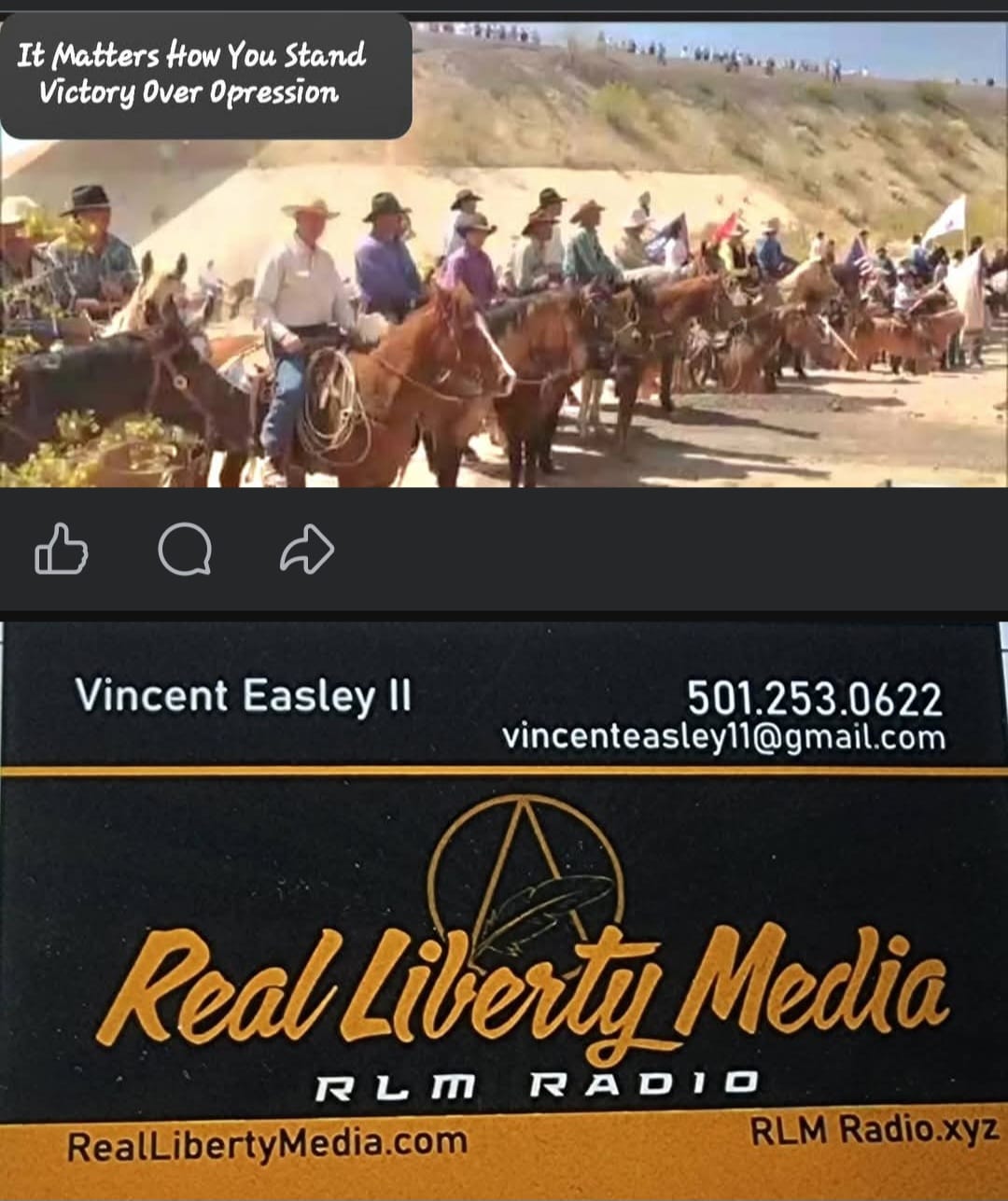
The federal government showed up with a massive show of force, helicopters, and tactical gear, but they couldn't count on one thing—one rancher who still didn't move.
That is the core of this entire stand, and it is the exact truth that a sterile algorithmic summary completely leaves out.
The content from "The Cowboy Site" page is the quintessential corporate-neutral AI output.
It is slick and relies on a standard timeline, but it reads like a summary written by a committee that never stepped foot in Bunkerville.
It uses generalized summaries and leans heavily on the official institutional narrative, completely missing the gritty, human nuances that only a firsthand witness would know.
To really tear this apart, we can use the Trivium framework of grammar, logic, and rhetoric to pull back the curtain on this digital facade.
By comparing their text against the raw reality, we can easily show the vast chasm between a bot of bureaucracy and the actual people who lived the history.
The first major betrayal in their post is the calculated use of the passive voice to describe the buildup, treating a historic defense of liberty like a sudden weather event.
By stating that armed citizens simply began converging, the algorithm erases the grassroots outrage of regular neighbors, families, and local officials who saw an egregious display of tactical overreach.
It sanitizes the tension, replacing the image of tactical gear pointed at grandmothers with a sterilized description of a gathering.
The narrative then intentionally anchors the entire conflict strictly within the federal government's preferred frame of fee schedules and permit violations.
By leading heavily with dollar figures, the text conditions the reader to view a profound constitutional flashpoint as a simple contract dispute over grass.
It completely ignores the underlying principles of state sovereignty, reducing a community's line in the sand to a mere accounting problem.
When it comes to the legal aftermath, the text relies on a massive understatement by merely noting that a judge dismissed the case because prosecutors withheld evidence.
It completely buries the absolute bombshell of the Brady violations, where federal prosecutors actively hid their own surveillance logs and threat assessments because those primary documents favored the defense.
Framing a total collapse of the prosecution's integrity as a minor procedural mistake is exactly how an algorithm protects the institutional narrative.
The internal logic of their post falls apart completely when it tries to use the economics of the grazing program to suggest the system is just a broken taxpayer subsidy.
If an agency is genuinely losing millions of dollars a year running an administrative program, the logical question is why they would spend millions more on helicopters and a heavily armed tactical perimeter to enforce it.
The contradiction proves that the standoff was never actually about the economics of the grass, but about absolute federal control.
The dead giveaway of this entire piece comes at the very end with the safe, engagement-baiting question asking if the standoff was justified law enforcement or government overreach.
This is the ultimate algorithmic fence-sit, designed to please a social media platform rather than declare an objective truth based on primary evidence.
It refuses to take a definitive stand because a scraper doesn't have skin in the game and cannot comprehend the weight of drawing a hard line in the desert dirt.
An algorithm can easily scrape court dockets from a
bureaucrat's desk, and a corporate writer can regurgitate a stack of official press releases, but they will never understand the reality under that bridge.
They weren't there to look at the primary evidence firsthand, and they didn't see regular citizens—mothers, grandfathers, and ranchers—standing shoulder-to-shoulder against a weaponized bureaucracy.
No matter how many sterile timelines they generate, you cannot erase the truth from the men and women who actually had their boots on the ground.
Ultimately, this whole comparison exposes the difference between the detached bot of bureaucracy and the raw reality of boots on the ground.
The bot relies on polished, top-down narratives to keep the public focused on balance sheets and official press releases, while the boots on the ground rely on eyewitness truth and primary facts.
One is a digital echo chamber designed to maintain control, while the other is the living history of a community that refused to be intimidated.
— Vincent Easley II
https://reallibertymedia.com/author/https-reallibertymedia-com-author-vine
Reference: Armed Agents in the Desert, One Rancher Didn’t Move.
https://www.facebook.com/share/p/1B5Bbj3r71