
When They Fence the West to Save It
The Quiet Extinction of the Working Landscape
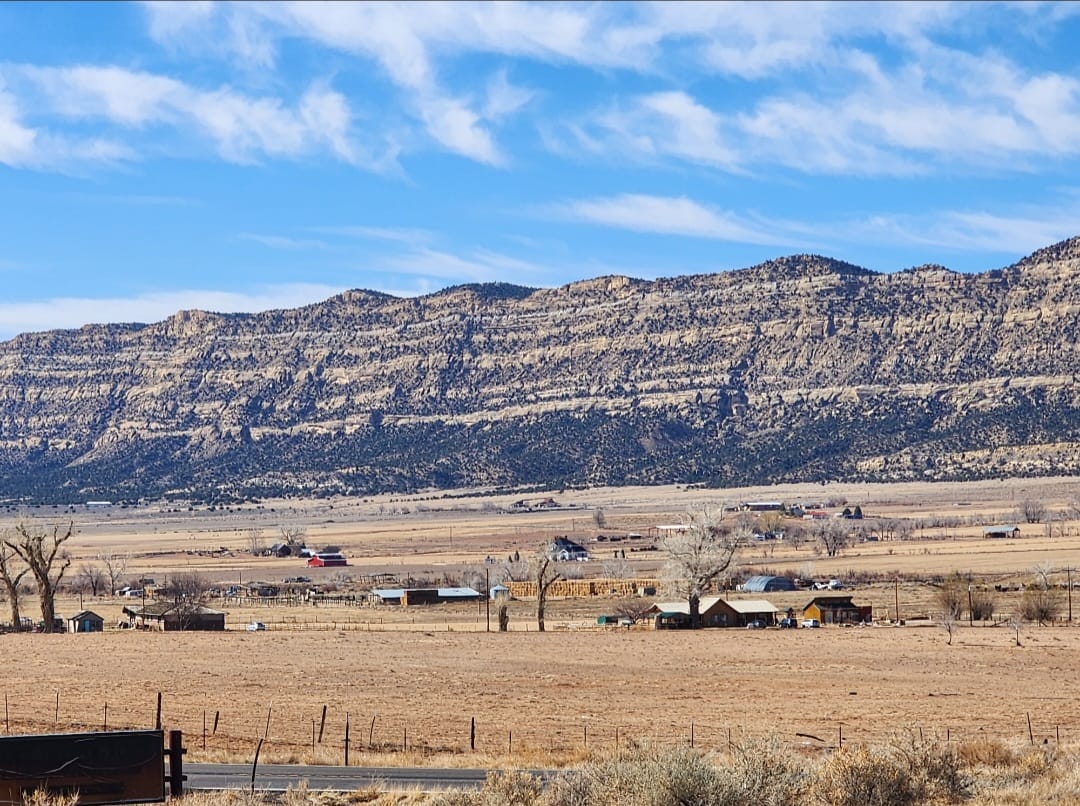
Grand Staircase-Escalante was carved out in 1996 to keep something buried: coal was one. Bill Clinton said so himself — his own proclamation named preventing development of the Kaiparowits Plateau's coal reserves as central to the whole design.
Thirty billion tons of it, by the estimate at the time. Never mined. Never will be, most likely — the coal is remote, the market's gone soft, and even the Bureau of Land Management admits interest in it has stayed thin no matter which administration is in office.
But something else was already dying out there before the monument ever existed. The Escalante sawmill shut its doors in the early 1990s. Families packed up and left. Months later the mill in Panguitch cut its workforce in half, and the sister operation across the line in Fredonia, Arizona followed it into the ground by 1995.
The reason on record wasn't the monument — it was the Mexican spotted owl, listed as threatened in 1993, and a wave of appeals and habitat litigation that choked off the timber supply years before Clinton ever stood at the Grand Canyon's rim to make his announcement.
That's the pattern once you start pulling the thread. Cattle ranching is the one industry that actually survived out there, until it didn't.
Mary Bulloch — Cowboy Mary, as Betsy Gaines Quammen wrote her into True West — ran cattle on the Fiftymile country and became the face of what the grazing fight cost real people.
Shawna Cox rode with her, gathering cattle in the dark of night. Shawna told me herself, in an interview I haven't yet published, that when government agents seized Mary's herd to sell at auction, it was Shawna who made the call that brought Cliven Bundy up to Utah to help stop the sale.
Shawna wasn't a bystander to any of this. She'd been fighting federal land policy since Clinton first drew the monument's boundary in 1996, and she carried that fight forward through the Sagebrush Rebellion itself — the same movement that put Nye County Commissioner Dick Carver on the cover of Time magazine after he climbed onto a bulldozer with a pocket Constitution in his shirt on July 4, 1994, and drove straight through a Forest Service roadblock to reopen a closed road in front of two hundred cheering neighbors.
That's the lineage this fight comes out of. Not outside agitators. Neighbors, protecting the roads and the range they'd always used.
Ask any rancher what the paperwork and permitting around ranching actually looks like — the systematic AUM reductions, the endless NEPA reviews, and the legal delays designed to turn a family's livelihood into a constant battle for survival.
When you line up the timber mills, the coal reserves, and the shrinking cattle numbers, the real legacy of federal land control becomes clear.
It isn't just about preserving soil or protecting species; it's about the steady dismantling of local independence and stewardship. By trading working landscapes for administrative oversight, the people who spent generations caring for the range were forced into a perpetual war of attrition against their own government.
Shawna Cox, Mary Bulloch, the Bundys, LaVoy Finicum and those who stood with them didn't choose the fight because they hated the land—they fought because they knew that once a community loses its right to work the ground beneath its feet, it loses its ability to survive.
— Vincent Easley II
https://reallibertymedia.com/author/https-reallibertymedia-com-author-vine